
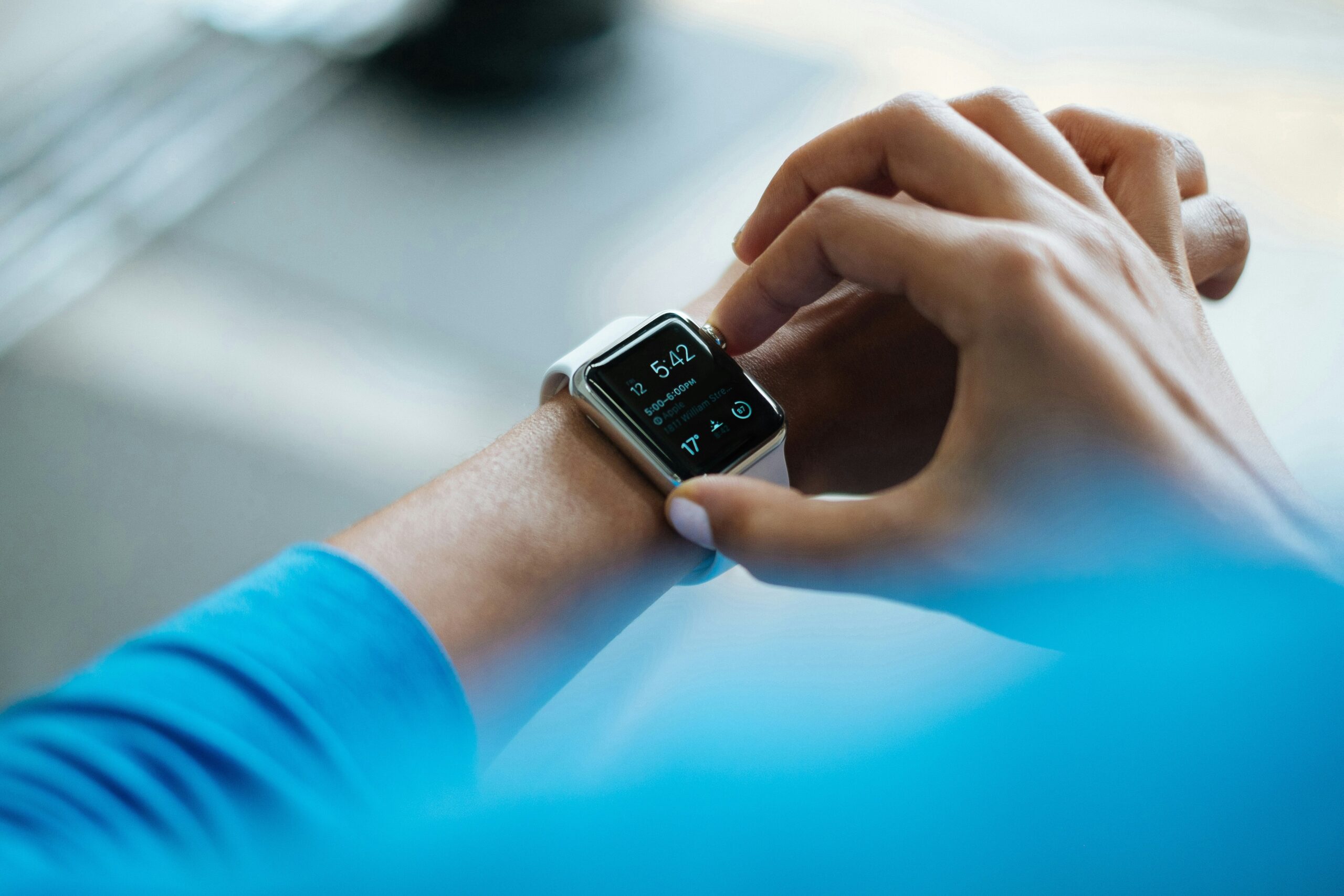
The other day, I was on a stationary bike, fully immersed in my workout. I rarely check my watch during exercise—I prefer to focus on how I feel—but something made me glance at the time. I was convinced I’d been cycling for ages… but to my surprise, only a few minutes had passed. The minutes felt like they were crawling! It made me wonder: Am I actually experiencing time slowing down, or is it just my perception?
It turns out, this is a common experience—and there’s a fascinating science behind it.
The Mind-Body Connection
When you’re exercising, especially during intense or unfamiliar movements, your brain becomes highly alert. This heightened state means you’re processing more information—your breath, heart rate, muscle tension, temperature, and surroundings. Because your brain is working overtime to handle all this sensory input, it can make time feel like it’s moving more slowly.
In contrast, when you’re relaxed, distracted, or doing something enjoyable, your brain isn’t as actively engaged with each passing moment. As a result, time feels like it speeds up. Also if you’re pushing through a tough workout, it’s not always comfortable. Physical discomfort, even when beneficial, sends a signal to your brain to pay close attention. This increases awareness of every second, which can make time feel like it’s dragging. This phenomenon isn’t unique to exercise—it’s why time seems to slow when you’re waiting for something, stuck in traffic, or feeling anxious.
Flow State vs. Clock-Watching
On the flip side, when you’re in a flow state, completely engaged and mentally absorbed in what you’re doing, time often feels like it vanishes. This can happen during certain forms of movement like running outdoors, yoga, or dancing, where your body and mind sync up in a rhythmic, almost meditative way.
But if you’re watching the clock during every rep or glancing at the treadmill timer every 30 seconds, you interrupt that flow—and suddenly, time seems to stretch.Time isn’t fixed—it’s experienced through the lens of your mind and body. During exercise, when your senses are heightened, time might feel slower, but it’s simply your brain processing more information in real-time.So, if your next workout feels like it’s dragging, don’t be discouraged. You’re not doing anything wrong—it’s just your brain keeping score.
How to Make Workouts Feel Quicker
If your workouts feel longer than they are, you’re not alone. Try these simple strategies to shift your perception of time:
- Add variety: Mix up your routine to keep your brain engaged and prevent monotony.
- Use music or podcasts: Distraction through rhythm or storytelling helps shift focus away from the clock.
- Train with a friend or group: Social interaction can make the experience more enjoyable and time fly.
- Focus on how you’ll feel after: Visualising the benefits—like improved mood, energy, and health—can change your relationship with the moment.