When people think about improving their health, they often focus on weight loss, cholesterol or blood sugar. Yet one of the most important organs quietly working behind the scenes is the liver. It performs over 500 vital functions every single day. Filtering blood from the digestive tract, processing nutrients, regulates cholesterol, stores vitamins and minerals, produces bile for digestion, balances hormones, helps regulate blood sugar, and breaks down medications and environmental toxins.
Unlike many organs, the liver has an extraordinary ability to regenerate itself. However, modern lifestyles can place it under increasing strain.
Fatty Liver Disease – More Common Than Many People Realise
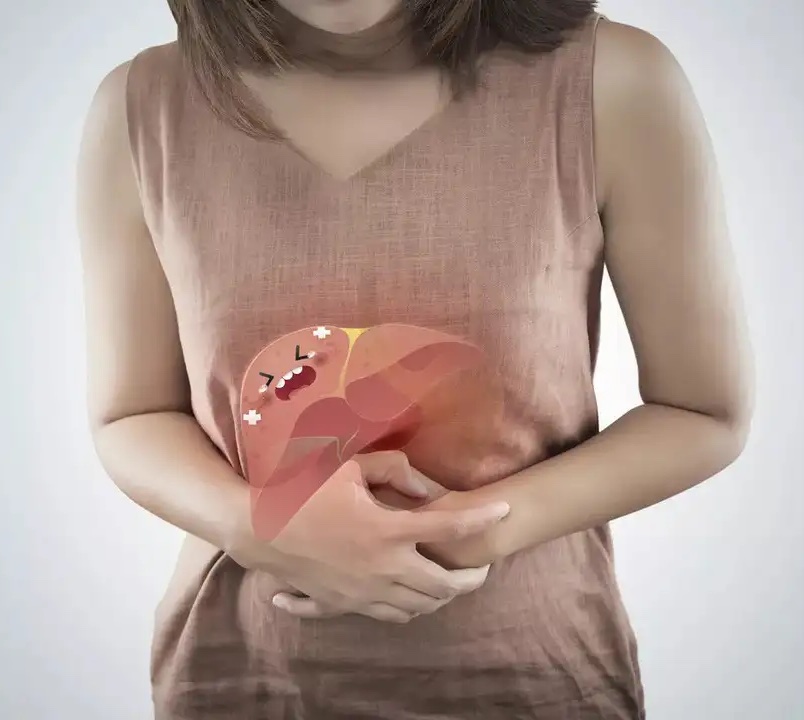
One of the fastest growing health conditions worldwide is Non-Alcoholic Fatty Liver Disease (NAFLD), recently renamed Metabolic dysfunction-associated steatotic liver disease (MASLD). It occurs when excess fat accumulates within liver cells, despite little or no alcohol consumption. Many people have no idea they have it. In fact, estimates suggest around one in four adults may have some degree of fatty liver, particularly those with insulin resistance, type 2 diabetes, obesity or raised cholesterol. In its early stages, fatty liver is often reversible through nutrition and lifestyle changes.
The Symptoms Aren’t Always Obvious. The liver has very few pain receptors, so problems often develop silently. Some people experience:
- Persistent fatigue
- Brain fog
- Reduced energy
- Difficulty losing weight
- Elevated cholesterol
- Raised liver enzymes on blood tests
- Fullness or discomfort under the right rib cage
- Poor blood sugar control
Many people discover fatty liver purely by chance during an ultrasound scan or routine blood tests. You cannot diagnose fatty liver from symptoms alone. It is usually identified through:
• Liver function blood tests (although these can sometimes remain normal)
• Ultrasound imaging
• FibroScan® assessment, which measures liver stiffness and fat accumulation
• Occasionally MRI or specialist investigations
This is why regular health checks are so valuable, especially if you have risk factors such as carrying excess weight around the abdomen, pre-diabetes, type 2 diabetes, high triglycerides or metabolic syndrome.
Your Gut and Liver Are Constantly Talking
One of the most exciting areas of nutrition research is the gut-liver axis. Everything absorbed through your digestive tract travels directly to your liver via the portal vein. This means your liver is continuously exposed to compounds produced by your gut microbiome. When the gut barrier becomes compromised (“leaky gut”), bacterial by-products such as lipopolysaccharides (LPS) may enter the bloodstream and contribute to low-grade inflammation, insulin resistance and fat accumulation within the liver.
This helps explain why improving digestive health can have positive effects well beyond the gut itself.
How Nutritional Therapy Can Help
I’ve worked with clients experiencing fatty liver, raised cholesterol, digestive concerns, reflux, weight gain and metabolic health issues. In addition to gall stones and gall bladder health which is often overlooked. Often, by addressing the underlying drivers rather than simply treating symptoms, we see improvements in energy, digestion, blood markers and overall wellbeing.
If you’ve been told you have fatty liver, raised liver enzymes, persistent reflux, digestive symptoms or unexplained fatigue, nutritional therapy may help support your health alongside the advice of your GP or specialist. If you’d like to learn more about how I work, I’d be delighted to help.